

Heavy Meals, Late Exercise and Your Bedtime Routine
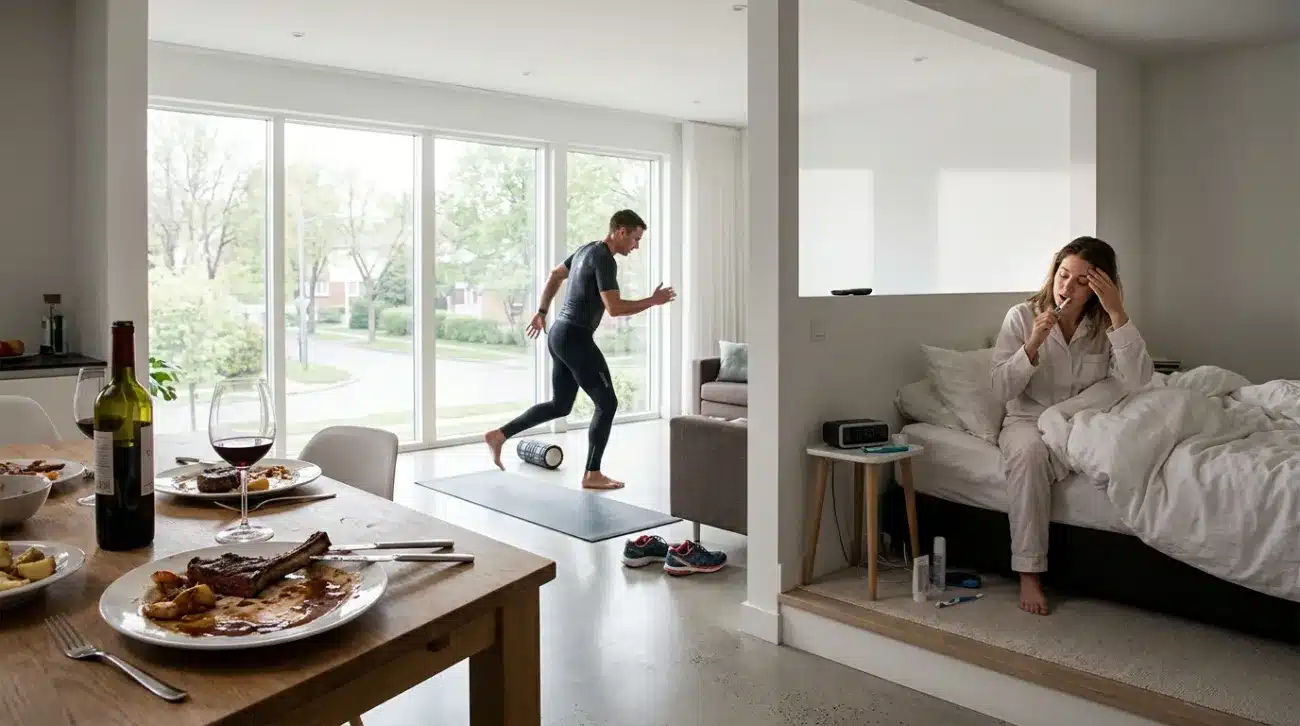
Eating a large or rich meal close to bedtime is a frequently cited culprit. Lying down soon after eating can make acid reflux more likely, and people with gastroesophageal reflux disease are commonly advised by medical sources to leave a few hours between their last meal and lying down. Spicy or fatty foods may worsen symptoms for some people, though individual triggers differ. A light snack is generally not considered a problem for most people.
Exercise is a more nuanced case. Regular physical activity is associated with better sleep overall, and older advice to avoid all evening workouts has been softened. A 2019 review in the journal Sports Medicine reported that evening exercise did not generally harm sleep, but that vigorous exercise within about an hour of bedtime was linked to some negative effects. Responses appear to vary by person, so those who notice trouble sleeping after late sessions may want to move workouts earlier.
Stimulants
Caffeine and nicotine, which act on alertness and may delay sleep onset.
Depressants
Alcohol, which can sedate at first but is linked to disrupted sleep later in the night.
Light and Media
Bright screens, room light and activating content that can affect the body clock and mental arousal.
Body Load
Large late meals and vigorous late exercise, where effects differ between individuals.
Lying Awake: Worry, Clock-Watching and Irregular Schedules

Some of the most damaging evening habits are behavioral rather than chemical. Going to bed at widely varying times can make it harder for the body clock to anticipate sleep, and sleep organizations consistently recommend a regular schedule, including on weekends where possible. Using the bed for work, television or long periods of scrolling may also weaken the mental link between the bed and sleeping.
Staring at the clock is another pattern that clinicians warn against. Cognitive behavioral therapy for insomnia, which major medical groups recommend as a first-line treatment for chronic insomnia, commonly includes advice to get out of bed and do something calm in dim light if sleep has not come after a period of lying awake, often described as around twenty minutes, then return when sleepy. Watching the time can raise anxiety about lost sleep, which can make falling asleep harder.
Persistent trouble sleeping, loud snoring, gasping at night or heavy daytime sleepiness can indicate a sleep disorder that habit changes alone will not fix. In those cases, speaking with a doctor or sleep specialist is the recommended step, and nothing in this article replaces personal medical advice.
A Calmer Night Starts Before Lights Out

The idea behind never doing this before bed again is less about a single forbidden act and more about protecting the hours that lead into sleep. Cutting back on late caffeine and nicotine, being cautious about alcohol as a sleep aid, dimming lights and setting screens aside, allowing time between meals or hard workouts and bedtime, and keeping a steady schedule are all supported by published research and major health organizations, even if individual responses differ. Small, consistent adjustments are generally easier to maintain than sweeping rules, and anyone whose sleep problems persist despite them has good reason to seek advice from a qualified health professional.


