Neuroplasticity and Recovery
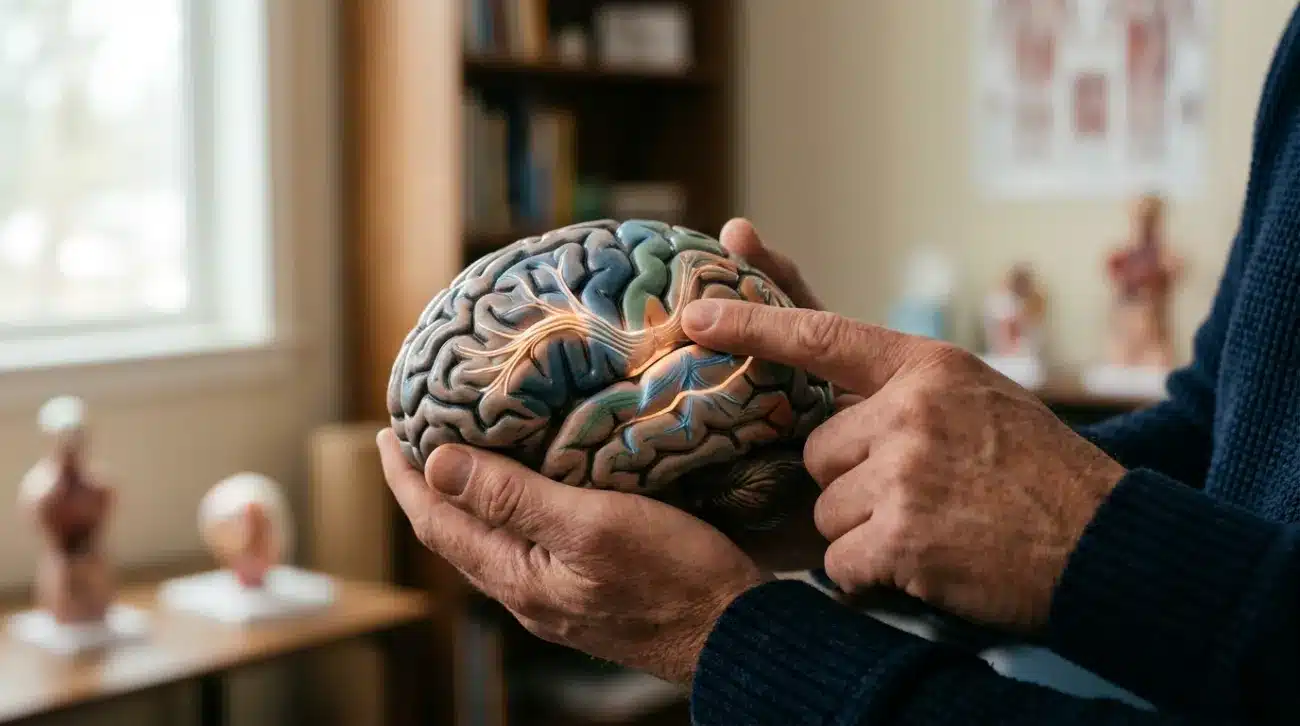
The same plasticity that allows experience to shape neural circuits also suggests that these patterns are not necessarily fixed. Neuroplasticity refers to the brain’s ability to modify its connections and activity in response to learning and experience. Researchers generally view stress-related changes as potentially modifiable, although the extent and speed of change differ between people.
Cognitive behavioral therapy is a well-established treatment for anxiety disorders, and some imaging studies have reported changes in amygdala and prefrontal activity following therapy. Other research has examined the effects of regular physical activity, mindfulness-based approaches and medication on brain function and stress-related measures. These studies vary in size and design, and their results should be read as promising but still evolving.
Some animal studies have reported that structural changes linked to chronic stress can partially reverse after the stress ends. Whether and how completely this happens in people is not firmly established. Anyone concerned about persistent anxiety is best served by speaking with a qualified healthcare professional, who can assess symptoms and discuss evidence-based options.
Limits of Brain Imaging Research

Anxiety is not a single condition. Generalized anxiety disorder, panic disorder, social anxiety disorder and specific phobias are distinct diagnoses, and the brain patterns associated with one may not apply to another. Studies also differ in their methods, sample sizes and the tasks participants perform in the scanner, which can lead to inconsistent results.
Genetics, early-life experiences, other health conditions, sleep and medication use can all influence brain measurements, making it hard to isolate the effect of anxiety itself. Because many studies capture a single moment in time, they often cannot show which changes come first. These limits do not undermine the field, but they explain why scientists generally describe findings as associations and refine them as larger and longer-term studies emerge.
Anxiety involves the amygdala, prefrontal cortex, hippocampus and the HPA axis working together in the stress response.
Many findings are associations from imaging and animal research, and cause and effect are not always clear.
Brain plasticity suggests that stress-related patterns may be modifiable, and evidence-based treatment is available.
Understanding Anxiety and the Changing Brain
Research suggests that anxiety is more than a state of mind: it is tied to measurable activity in threat-detection circuits, regulatory networks, memory structures, stress hormones and chemical messengers, and prolonged stress may be associated with changes in how some of these systems function or are structured. At the same time, the science is still developing, many findings come from group comparisons or animal studies, and brain differences cannot diagnose any one person. The brain’s capacity for change offers a reason for cautious optimism, and anyone experiencing persistent anxiety can consult a healthcare professional about assessment and treatment.