

Arteries play a vital role in delivering oxygen-rich blood throughout the body, supporting every organ and system. Over time, factors such as diet, lifestyle, and aging can contribute to the buildup of plaque within these blood vessels, which may affect circulation and overall heart health. While no single food can instantly remove this buildup, certain nutrient-rich foods are associated with supporting cardiovascular function and reducing risk factors. By incorporating specific ingredients into daily meals, it becomes possible to promote better blood flow, reduce inflammation, and support long-term arterial health in a natural and sustainable way.
Fatty Fish and Omega-3 Support

Fatty fish such as salmon, mackerel, sardines, and tuna are widely recognized for their high content of omega-3 fatty acids. These essential fats are linked to several cardiovascular benefits, particularly in reducing inflammation within the body. Chronic inflammation is one of the factors associated with the development of arterial plaque, making omega-3 intake an important component of heart-conscious eating. Regular consumption of fatty fish has also been associated with lower triglyceride levels, which play a role in overall cardiovascular risk.
In addition to lowering triglycerides, omega-3 fatty acids may help support the flexibility and function of blood vessels. This can contribute to improved circulation and reduced strain on the cardiovascular system over time. Research has consistently shown that individuals who consume fish regularly tend to have a lower risk of heart-related conditions. Including fatty fish in meals a few times per week, whether grilled, baked, or lightly seasoned, provides a practical and effective way to support arterial health through diet.
High-Potency Berberine for Daily Wellness Support
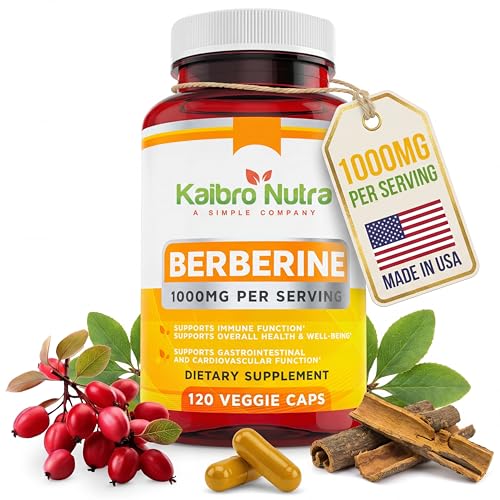
- High Potency Formula: Our berberine supplement…
- Nature Meets Science: Harnessing the natural power…
- Supports Whole-Body Health: Our metabolism support…
Leafy Greens and Nitrate Benefits

Leafy green vegetables such as spinach, kale, arugula, and Swiss chard are rich in dietary nitrates, which play a key role in supporting vascular health. When consumed, these nitrates are converted into nitric oxide within the body, a compound that helps relax and widen blood vessels. This process supports better blood flow and can contribute to maintaining healthy blood pressure levels. Improved circulation reduces the strain on arteries and supports overall cardiovascular function.
Beyond nitrates, leafy greens provide a wide range of essential nutrients, including vitamins, minerals, and antioxidants. These compounds help protect blood vessels from oxidative stress, which can contribute to long-term damage. The high fiber content found in these vegetables also supports overall metabolic health, which is closely linked to heart function. Incorporating leafy greens into meals through salads, smoothies, or cooked dishes offers a simple way to consistently support arterial health.
Berries and Antioxidant Protection

Berries such as blueberries, strawberries, raspberries, and blackberries are known for their high antioxidant content, particularly compounds called flavonoids. These antioxidants help reduce oxidative stress in the body, which is one of the contributing factors to the development of arterial plaque. By neutralizing harmful free radicals, antioxidants support the integrity of blood vessels and help maintain healthy circulation. Regular consumption of berries has been associated with improved markers of cardiovascular health.
In addition to their antioxidant properties, berries also provide fiber and essential vitamins that contribute to overall wellness. Some studies suggest that frequent berry intake may support healthy cholesterol levels and improve blood vessel function. Their natural sweetness makes them an easy addition to a variety of meals, including breakfast dishes, snacks, and desserts. Adding berries to a daily routine offers a convenient and nutrient-dense way to support heart and arterial health over time.
Nuts and Healthy Fats

Nuts such as almonds, walnuts, pistachios, and cashews are rich sources of healthy fats that support cardiovascular health. These fats, particularly monounsaturated and polyunsaturated fats, are associated with helping reduce levels of low-density lipoprotein (LDL) cholesterol. Elevated LDL cholesterol is one of the key factors linked to plaque buildup in arteries, making dietary choices especially important. In addition to their fat content, nuts also contain plant sterols, which may help block the absorption of cholesterol in the digestive system.
Beyond their impact on cholesterol, nuts provide fiber, protein, and important micronutrients that contribute to overall heart health. Walnuts, for example, are known for their omega-3 fatty acid content, while almonds provide vitamin E, an antioxidant that supports blood vessel function. Regular consumption of nuts in moderate portions has been associated with improved cardiovascular markers in various studies. Including a small handful of nuts as a snack or adding them to meals can be an easy and effective way to support arterial health over time.
Olive Oil and Heart-Healthy Compounds

Extra virgin olive oil is a key component of dietary patterns associated with strong cardiovascular health. It is rich in monounsaturated fats, which are linked to maintaining healthy cholesterol levels when used in place of saturated fats. Olive oil also contains polyphenols, which are natural compounds with antioxidant properties. These compounds may help reduce inflammation and protect blood vessels from oxidative damage, both of which are factors connected to arterial health.
Regular use of olive oil has been associated with improved markers of heart health in multiple studies, particularly when incorporated into balanced dietary patterns. Its versatility makes it easy to use in a wide range of dishes, from salad dressings to cooking and finishing oils. Choosing extra virgin varieties ensures a higher concentration of beneficial compounds compared to more refined options. Replacing less healthy fats with olive oil in everyday cooking can contribute to better long-term cardiovascular support.
Whole Grains and Fiber Intake

Whole grains such as oats, brown rice, quinoa, and whole wheat products provide an important source of dietary fiber, especially soluble fiber. Soluble fiber plays a role in reducing LDL cholesterol by binding to it in the digestive system and helping remove it from the body. Lower cholesterol levels are associated with a reduced risk of plaque buildup in arteries, making whole grains a valuable addition to a heart-conscious diet. In addition to fiber, whole grains contain essential nutrients like B vitamins, magnesium, and antioxidants.
Incorporating whole grains into daily meals also supports stable blood sugar levels, which are closely connected to cardiovascular health. Diets rich in whole grains have been linked to a lower risk of heart disease in long-term studies. Replacing refined grains with whole grain alternatives is a practical step that can improve overall nutrition without requiring major dietary changes. Simple adjustments, such as choosing whole grain bread, oatmeal, or brown rice, can help support arterial health consistently over time.
Garlic and Natural Compounds

Garlic has been used for centuries in cooking and traditional practices, and it continues to be studied for its potential cardiovascular benefits. One of its key active compounds, allicin, is released when garlic is crushed or chopped and is associated with several heart-supporting properties. Research suggests that garlic may play a role in helping to manage blood pressure levels, which is an important factor in maintaining healthy arteries. By supporting normal blood pressure, garlic may help reduce strain on blood vessel walls over time.
In addition to its effects on blood pressure, garlic has been linked to improvements in cholesterol levels, particularly in reducing LDL cholesterol. Some studies have also explored its potential role in slowing the progression of plaque buildup, although results can vary. Garlic also contains antioxidants that may help protect blood vessels from oxidative stress. Incorporating fresh garlic into meals, whether in sauces, roasted dishes, or simple seasoning, provides a practical way to include this nutrient-rich ingredient as part of a heart-conscious diet.
Building Better Heart Health Through Everyday Foods
Supporting arterial health involves consistent, balanced choices rather than relying on any single ingredient or short-term approach. Foods such as fatty fish, leafy greens, berries, nuts, olive oil, whole grains, and garlic each provide nutrients that contribute to cardiovascular function in different ways. When combined as part of a varied diet, these foods may help manage cholesterol levels, reduce inflammation, and support healthy blood flow over time. Alongside regular physical activity and other healthy habits, making thoughtful dietary adjustments can play a meaningful role in maintaining long-term heart health and reducing the risk of complications.
This website is a participant in the Amazon Services LLC Associates Program, an affiliate advertising program designed to provide a means for sites to earn advertising fees by advertising and linking to Amazon.com


